October 2026.
Fall · Zone 6b · Hunterdon County, NJ · This month
“Good October, a good blast, to blow the hog acorn and mast.”
Old farmer’s saying
- Sun ↑
- 7:05
- Sun ↓
- 6:15
- Day
- 11h 10m
- High
- 66°
- Low
- 45°
- Moon
- Hunter's Moon
First frost ~Oct 15
Frost prep, garlic planting, closing the garden. Cole crops sweeten after frost. October's biggest single task: plant the garlic.

General chores.
October is when the year turns. First frost falls somewhere between the 10th and the 20th. The tender crops are done; the cole crops are just now hitting their sweet spot. And somewhere in this month, if you want garlic next summer, you have to get it in the ground. October's one non-negotiable task.
“Cover beds on frost nights.”
A single frost cover — burlap, sheet, or row cover — buys another 2–3 weeks of harvest from tomatoes and peppers. Uncover during the day.
Beat the first hard freeze
Deploy row cover / low tunnels over the fall greens
Row cover on hoops (installed back in August) buys hardy greens — kale, spinach, mâche, tatsoi — another month-plus of harvest past first frost. Under clear plastic on the same hoops, they carry into January. Vent on any sunny day above 40°F.
Harvest all frost-sensitive crops before hard freeze
Beans, eggplant, peppers, tomatoes — one hard freeze ends them. Pick everything, including green tomatoes (they ripen on a windowsill).
Drain hoses, empty bird baths, empty rain barrels
Water expands about 9% when it freezes. That's enough to crack a hose, split a bird bath, or burst a rain barrel. Drain everything before the first hard freeze.
Empty and shut off irrigation systems
Frozen water in above-ground lines cracks fittings and splits pipes. Blow out the system with a compressor if you have permanent lines.
Plant garlic and spring bulbs
Plant garlic (October through mid-November)
October's single biggest task. Break heads into cloves, plant pointy-end up 2 inches deep, 6 inches apart. Mulch heavily. You'll harvest next July.
Choose hardneck for NJ 6B cold; softneck for storage
Hardnecks (Music, German Extra Hardy, Chesnok Red) handle NJ winter cold better and produce bigger cloves — but only store 6–7 months. Softnecks (Inchelium Red, Silverskin) store up to 12 months and braid beautifully, but need a good mulch to overwinter. Plant some of each.
Plant tulips, daffodils, alliums, hyacinths, and crocus
Tulips especially need the cold to bloom. Plant now and they set roots before the ground freezes. Skip October and you'll be scrambling in November.
Closing down the beds
Clean up diseased plants — do not compost
Late blight on tomatoes, powdery mildew on squash — those spores survive in compost and reinfect next year. Bag diseased plant material and put it in the trash, not the pile.
Rake, shred, and compost leaves
Shredded leaves are the single best soil amendment you can make yourself. Run over piles with a mower, then work into beds or use as mulch.
Collect soil samples for testing
Fall soil tests give you all winter to plan amendments. Rutgers Cooperative Extension provides the kit for under $20.
Divide spring and summer-flowering perennials
Bearded iris, peony, phlox — dig, divide, and replant now for stronger blooms next year.
Empty and clean outdoor planters
Ceramic planters left with damp soil crack in winter. Empty them, wash them, store upside-down or indoors.

Plant & sow.
What can go in the ground now — and what still needs to wait. Start dates for indoor sowing, direct sowing, and transplanting, broken out by vegetables, herbs, and flowers.
“Garlic — plant cloves in October (through November): the #1 fall task.”
Vegetables — plant now
Shallots, walking onions, potato onions
Spring bulbs: tulips, daffodils, alliums, hyacinths, crocus
Season extension
Cole crops (Brussels sprouts, cabbage, kale, broccoli, collards) improved by frost — keep harvesting as long as possible
Protect carrots, beets, leeks, rutabagas, turnips, winter radishes, Swiss chard with a thick layer of straw — harvest a little at a time well into winter
Use low tunnels or cold frames to extend lettuce and greens
Flowers
Lift tender bulbs before first hard frost: dahlias, cannas, gladiolus, caladiums
Mulch perennial beds heavily for winter protection
Plant spring bulbs: tulips, daffodils, alliums, hyacinths
Save seeds from marigolds, cosmos, sunflowers
Leave seed heads on asters, sunflowers, cosmos for winter bird feeding
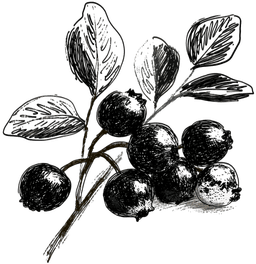
Orchard & berries.
The orchard and the berry patch keep their own calendar. Apples, pears, peaches, brambles, blueberries, and grapes — pruning, spraying, planting, and harvest, in the rhythm they ask for.
“Apples (Sundance, Rome, late varieties) — harvest through October.”
Pears (Harrow Sweet, Kieffer) — harvest
Dehydrate apple slices; make cider, pies, apple butter
Fall tree planting: about 1 month after first killing frost
Apply fall holistic spray to help decompose leaves and kill overwintering fruit pests
Aerate soil and add 1/2–1" compost around tree drip-line
Spray fungicide on peaches for leaf curl prevention
By the middle of the month, the sun sets at 6:15 — the day still stretched wide, but shortening a minute at a time.
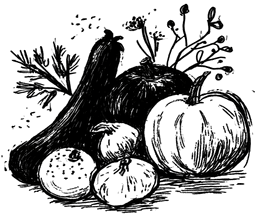
Harvest.
What's in season this month, roughly in the order it arrives at the kitchen door. Some crops are past peak by the last week; others are just beginning.
- Late apples, pears
- Brussels sprouts, kale, cabbage, collards (sweetened by frost)
- Root crops: carrots, beets, parsnips, turnips (dig or leave under straw)
- Winter squash, pumpkins (before hard frost)
- Last of green tomatoes (ripen indoors)
- Sweet potatoes
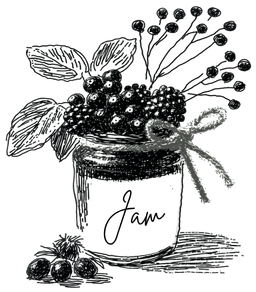
Can & preserve.
What to put by while it's here — canned, frozen, fermented, or dried. Pressure-can low-acid vegetables; water-bath the high-acid ones. Freezer and dehydrator for everything in between.
“Apple butter, pickled garlic-dills, apple cider jelly.”
Pumpkin puree (freeze or pressure can; do not water-bath can)
Cranberry sauce/relish (cranberries appear in stores)
Root vegetables (beets, carrots, parsnips) — pressure can or store in cool cellar
Brussels sprouts — freeze or roast and freeze
Last tomatoes: finish sauce, paste, salsa
The hunter's moon lifts over the ridge — a full month has almost turned.
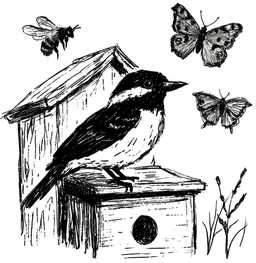
For the wildlife.
Native plants in bloom in the beds and borders this month — and what they attract. From the Field Guide.
- SnNative · NJ
New England Aster
Symphyotrichum novae-angliae
The tall violet-pink daisy that ends the season. Blooms when almost nothing else is blooming, on stiff dark stems that stand up to fall wind…
- Type
- Perennial flower
- Bloom
- Sep–Oct
- SrNative · NJ
Wrinkleleaf Goldenrod
Solidago rugosa
The workhorse goldenrod. Arching plumes of tiny yellow flowers open on tall stems in late summer and feed more species of pollinator than al…
- Type
- Perennial flower
- Bloom
- Aug–Oct
Coming next
November
After ground freezes 1 inch deep, apply 2–4" protective mulch over perennial beds
Remove dead plants from vegetable garden to eliminate pest overwintering sites
Continue raking leaves; use for compost or mulch
Look ahead →
Just past
September
Watch for frost forecasts starting mid-to-late month
Add compost to top up garden soil; build organic matter for spring
Save seeds from favorite self-pollinating, non-hybrid flowers (marigolds, cosmos, sunflowers)
← Look back
More on the almanac.
- T
Transplanting week, and everything at once.
The greenhouse is empty, the beds are full, and I have exactly three days before rain. The cold-season crops go in.
- T
The seed order comes in.
A cold Saturday, a stack of catalogs, and the annual argument with myself about how many tomato varieties is too many.