December.
Winter · Zone 6b · Hunterdon County, NJ
“A green Christmas makes a fat churchyard.”
Old farmer’s saying
- Sun ↑
- 7:10
- Sun ↓
- 4:30
- Day
- 9h 20m
- High
- 43°
- Low
- 28°
- Moon
- Cold Moon
Winter solstice · Dec 21
Rest, reflect, plan. Clean tools, drain equipment, mulch beds. Root crops still coming out of straw. Time to write the year's notes.

General chores.
December is rest, but not idleness. The beds are asleep; the tools go to the shed; the plans move to the desk. The one active task is watching over what stays — the mulch, the roots under straw, the fruit trees loaded with snow. Everything else is thinking through what worked and what didn't so January starts with a real plan.
“Clean garden tools thoroughly.”
You did the first pass in January. This is the wintering-in version: wire-brush every tool, oil the metal, sand and linseed-oil the wooden handles, and hang them where you can find them in March.
Rest, but not idleness
Drain fuel from mower and tiller
Ethanol fuel absorbs water. Left over winter, it clogs carburetors and gums up fuel lines. Drain the tank or run the engine dry now.
Review and expand your garden notes
You'll never remember July from December memory. Now, while it's fresh, write down what worked and what didn't. Your January self will thank your December self.
Sketch expansion plans on paper
If you're adding beds, a fence, or an irrigation loop next year, this is when to design it. Measure, draw, and price it out over the winter — so when November comes back around, you're building, not planning.
Protecting what's here through winter
Apply the final mulch layer
One more pass of mulch on the perennial beds, especially the newer plantings. Roses, hydrangeas, and young trees benefit from an extra 2-inch blanket.
Thick straw over root crops still in the ground
Carrots, parsnips, leeks, and beets under 8–10 inches of straw stay sweet through winter. Dig them as needed — nothing beats a January carrot.
Keep foot traffic off frozen grass
Frozen grass blades snap when walked on. Reroute paths to avoid crossing the lawn until spring.
Knock heavy snow off trees and shrubs
Wet snow bends limbs to their breaking point overnight. After a big storm, gently brush snow off young trees and evergreens.
Move fragile houseplants away from cold windows
Even double-pane windows carry cold to plant leaves. Move tropicals a foot back from the glass or add a curtain overnight.

Plant & sow.
What can go in the ground now — and what still needs to wait. Start dates for indoor sowing, direct sowing, and transplanting, broken out by vegetables, herbs, and flowers.
“Check root cellar/cool storage weekly; remove any spoiling items to protect the rest.”
Vegetables
Harvest remaining in-ground roots (carrots, parsnips, beets) protected by straw
Take inventory of saved seeds; store in glass jars or envelopes in cool, dark, dry place
Flowers
Protect trunks of young ornamental trees by wrapping; cage multi-stemmed shrubs with hardware cloth against rabbits
Mulch all perennial beds with 2–4" protective layer
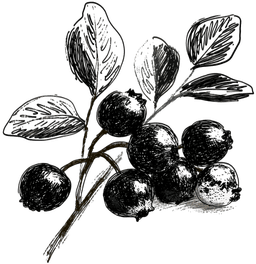
Orchard & berries.
The orchard and the berry patch keep their own calendar. Apples, pears, peaches, brambles, blueberries, and grapes — pruning, spraying, planting, and harvest, in the rhythm they ask for.
“Mulch over strawberry plants with 2–3" straw (after hard freeze if not done in November).”
Mulch fruit trees with 2–3" wood chips in 18" radius around trees
Insulate figs with 2–4 feet of leaves before temperatures drop below 15°F
Water fruit trees if temperatures stay above freezing and conditions are dry
Expand mulch rings on fruit trees
Begin reading and planning for next year's orchard management

Can & preserve.
What to put by while it's here — canned, frozen, fermented, or dried. Pressure-can low-acid vegetables; water-bath the high-acid ones. Freezer and dehydrator for everything in between.
“Pineapple sauce, pickled beets (from stored roots).”
Citrus marmalades — peak citrus season
Stock up on canning supplies for next season (lids, jars, pectin) during post-holiday sales
Gift homemade preserves from the season's harvest
Coming next
January
Review last year's notes, yields, and variety performance
Map out crop rotation plan for the new season
Order seeds early — popular varieties sell out fast; prioritize heirloom and open-pollinated
Look ahead →
Just past
November
After ground freezes 1 inch deep, apply 2–4" protective mulch over perennial beds
Remove dead plants from vegetable garden to eliminate pest overwintering sites
Continue raking leaves; use for compost or mulch
← Look back
More on the almanac.
- T
Transplanting week, and everything at once.
The greenhouse is empty, the beds are full, and I have exactly three days before rain. The cold-season crops go in.
- T
The seed order comes in.
A cold Saturday, a stack of catalogs, and the annual argument with myself about how many tomato varieties is too many.