January.
Winter · Zone 6b · Hunterdon County, NJ
“As the days lengthen, the cold strengthens.”
Old farmer’s saying
- Sun ↑
- 7:15
- Sun ↓
- 5:00
- Day
- 9h 45m
- High
- 39°
- Low
- 22°
- Moon
- Wolf Moon
Depths of winter
Planning and dormancy. Order seeds, sharpen tools, review last year's notes. Nothing yet to plant indoors — the earliest crops start in early February.

General chores.
January is desk-and-shed work. Nothing yet to plant, nothing yet to weed. But the decisions you make this month — which varieties to order, how you'll rotate the beds, whether your tools will actually cut come March — are what determine how the whole year goes. Do the boring thing now so you're not scrambling in April.
“Review last year's notes, yields, and variety performance.”
You won't remember what did well and what disappointed without going back to your notes. Pull out what you wrote in October and use it to shape this year's plan.
Planning next year's beds
Map out crop rotation for the new season
Two years running of tomatoes in the same bed is how you get soil-borne disease. Even a simple 3- or 4-bed rotation prevents most of it. Sketch it on paper this month, before ordering seed.
Order seeds early
Popular varieties — heirloom tomatoes, Painted Mountain corn, specific heritage lettuces — sell out by mid-February. If you have favorites, they're already thinking about you. Order now.
Pre-order bulbs and live plants from seed catalogs
Most nurseries let you reserve strawberry crowns, asparagus, garlic, and fruit trees for spring shipment. Wait until March and you're picking from what's left.
Getting the workshop ready
Clean and sharpen all garden tools
A sharp hoe cuts weeds; a dull one hacks at them. Take an hour this month to sharpen, oil the metal, and hang everything back organized. February goes faster than you think.
Check indoor seed-starting equipment
Onions and leeks go in Feb 1. That means the shelf, the lights, the heat mat, the trays, and the mix all need to be ready. Now is when to find out the timer is broken — not the day you want to sow.
Start stratifying perennial seeds that need cold treatment
Echinacea, milkweed, and many natives won't germinate without weeks in the cold. Pre-chill them in the fridge now so they're ready when you want to sow.
Watching over what's here
Brush heavy snow off tree and shrub limbs
Wet snow snaps limbs before you notice. After a big storm, walk the property and shake off anything loaded down.
Wrap thin-barked trees against sunscald
January sun warms one side of a young trunk, temperatures crash overnight, and the bark cracks. White tree wrap or burlap on linden, ash, maple, and young fruit trees prevents it.
Check stored roots and fruits for rot
One rotten apple really does spoil the barrel. Sort the potatoes, onions, apples, and squash once a month and pull anything turning. Save the rest.
Monitor houseplants for insects; quarantine gifts
Holiday plants sometimes arrive with hitchhikers. Quarantine anything new for a week and spot-check your existing plants for aphids and spider mites.
Feed birds and put out fresh water
Winter is when a garden earns loyalty from the birds it needs later — chickadees, wrens, sparrows. A feeder in view of the kitchen window is not just decorative.

Plant & sow.
What can go in the ground now — and what still needs to wait. Start dates for indoor sowing, direct sowing, and transplanting, broken out by vegetables, herbs, and flowers.
“Review flower orders; check stored tender bulbs and tubers for rot.”
Flowers
Begin planning annual and perennial bed layouts
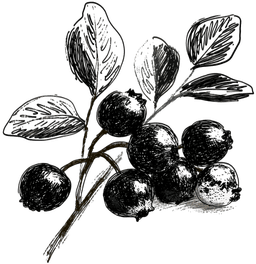
Orchard & berries.
The orchard and the berry patch keep their own calendar. Apples, pears, peaches, brambles, blueberries, and grapes — pruning, spraying, planting, and harvest, in the rhythm they ask for.
“Fruit trees and berries are dormant; no action needed except inspection.”
Complete soil test (recommended every 3 years)

Can & preserve.
What to put by while it's here — canned, frozen, fermented, or dried. Pressure-can low-acid vegetables; water-bath the high-acid ones. Freezer and dehydrator for everything in between.
“Take stock of pantry jars — what did you run out of? What did you over-make?.”
Restock canning supplies: new lids, pectin, citric acid, ClearJel
Check jars and bands; order any new equipment
Store-bought citrus (lemons, oranges) available for marmalades and curds
Coming next
February
Finalize garden plans and seed orders
Sanitize last year's pots and trays for reuse
Gather and set up indoor seed-starting station (lights, heat mats)
Look ahead →
Just past
December
Clean garden tools with wire brush; apply light coat of oil; sharpen hoe and spade edges; sand and oil handles
Drain fuel tanks from lawn mower/tiller
Apply final mulch layer to all planting beds, especially around perennials
← Look back
More on the almanac.
- T
Transplanting week, and everything at once.
The greenhouse is empty, the beds are full, and I have exactly three days before rain. The cold-season crops go in.
- T
The seed order comes in.
A cold Saturday, a stack of catalogs, and the annual argument with myself about how many tomato varieties is too many.