March.
Early spring · Zone 6b · Hunterdon County, NJ
“March comes in like a lion and goes out like a lamb.”
Old farmer’s saying
- Sun ↑
- 7:10
- Sun ↓
- 7:05
- Day
- 11h 55m
- High
- 51°
- Low
- 32°
- Moon
- Worm Moon
Vernal equinox · Mar 20
Seed-starting ramps up. Peas and spinach direct-sown as soon as soil is workable. Fruit tree pruning must finish before growth begins.

General chores.
March is the wake-up. The seed factory hits full stride indoors; peas and spinach go in the ground the moment the soil crumbles. Fruit-tree pruning has to finish before the buds break. But nothing warm goes outside yet — tomatoes, peppers, and eggplant sown this month stay under lights until after Mother's Day. Planting a tomato outside in March is how you lose a tomato.
“Finish pruning fruit trees and berry bushes.”
Any pruning not done in February has to happen before growth begins. Buds swelling means the window is closing — every day you wait is more damage per cut.
Finishing the dormant work
Service the lawn mower and power equipment
Everyone is standing in line at the small-engine shop by April. Get in this month instead.
Get a soil test if you didn't in the fall
Rutgers Cooperative Extension costs about $20 and tells you exactly what your soil needs. Do it every 3 years. Amend based on results, not guesses.
Prepping the beds
Turn the compost pile on warmer days
Composting stalls in winter and restarts in March. Turn the pile to aerate it and it'll be ready to spread in beds by April.
Clean up dried debris from beds
Old plant debris harbors slug eggs and fungal spores. Rake it out, add to compost, and expose the soil to sun and air.
Remove winter mulch from strawberry and asparagus beds
As soon as you see growth pushing through, pull mulch back so the crowns can wake up. Leave a light layer against weeds.
Side-dress asparagus with organic nitrogen
Asparagus is a heavy feeder. A side-dressing of compost or blood meal now sets up a stronger harvest in April and May.
Avoid working soil while it's cold and wet
Squeeze a handful. If it holds a wet ball, wait. If it crumbles when you tap it, you can work it. Working cold, wet clay compacts it for the whole season.
Waking the property up
Place birdhouses outside
Wrens and bluebirds are house-hunting in March. Clean out the boxes, put them up with holes facing south or east, and you'll have tenants by April.
The infrastructure work — while beds are still empty
Install or repair drip irrigation
Drip lines and soaker hoses have to go in before crops do — trying to snake tubing around established plants is misery. March is the window: ground is thawed, beds are empty, and you can lay out the system properly before mulching in April.
Repair or rebuild existing raised beds
Rotten boards, sagging corners, split frames — all easier to fix now than after they're planted. If a bed needs replacing, this is the last month to do it without disturbing crops.
Finish any pending fence or gate repairs
Deer, rabbits, and groundhogs wake up hungry in April. Whatever gap in the fence you noticed last summer needs to be closed this month. Same for hardware — hinges, latches, gate springs.

Plant & sow.
What can go in the ground now — and what still needs to wait. Start dates for indoor sowing, direct sowing, and transplanting, broken out by vegetables, herbs, and flowers.
“Tomatoes: late March — sow indoors under lights; a March frost will kill any seedling that goes outside.”
Warm-season vegetables — INDOORS ONLY (do not transplant outside until after Mother's Day)
Peppers: early–mid March — indoors only
Eggplant: mid-March — indoors only
Cool-season vegetables — direct sow outdoors (as soon as soil is workable)
Peas
Spinach
Radishes
Lettuce
Beets
Swiss chard
Kohlrabi
Mustard greens
Carrots
Cool-season vegetables — transplant outdoors (late March)
Onion sets/plants, leeks, shallots, garlic, potatoes, sunchokes
February-started seedlings after hardening off: broccoli, cauliflower, cabbage
Herbs — start indoors
Parsley, thyme, oregano (if not started in Feb)
Flowers — start indoors
Marigolds, zinnias, cosmos: late March
Coneflowers (echinacea), black-eyed Susans, Shasta daisies: mid-March
Lavender, rosemary, thyme, oregano, lemon balm (perennial herbs/flowers)
Flowers — direct sow outdoors (cold-hardy)
Larkspur, calendula, nigella (love-in-a-mist), poppy, delphinium — need cold treatment to germinate
Sweet peas, bachelor's buttons
By the middle of the month, the sun sets at 7:05 — the day still stretched wide, but shortening a minute at a time.
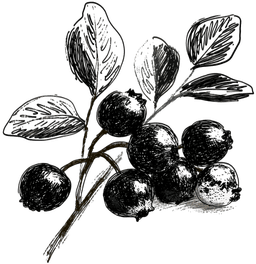
Orchard & berries.
The orchard and the berry patch keep their own calendar. Apples, pears, peaches, brambles, blueberries, and grapes — pruning, spraying, planting, and harvest, in the rhythm they ask for.
“Plant bare-root trees (apple, pear, peach, plum) as soon as ground can be worked.”
Plant strawberries (bare root), asparagus crowns, and rhubarb
Expand mulch rings on fruit trees
Tip/prune blackberry laterals to 15"; remove all dead canes
Begin holistic/organic spray regimen from bud swell to week after petal fall
Remove tree wraps at end of month
Fertilize blueberries, raspberries, and grapes before growth resumes

In bloom.
What's open in the beds and borders now — for the vase, for the pollinators, for the view from the porch.
The month’s palette
Hellebores (Lenten Rose).
excellent early color in shade gardens
Creeping phlox, Iberis (candytuft)
begin blooming
The worm moon lifts over the ridge — a full month has almost turned.

Can & preserve.
What to put by while it's here — canned, frozen, fermented, or dried. Pressure-can low-acid vegetables; water-bath the high-acid ones. Freezer and dehydrator for everything in between.
“Rhubarb sauce, pickled carrots (from stored roots).”
Continue using winter pantry stores before spring harvest arrives
Coming next
April
Add compost to all garden beds
Measure rainfall with a rain gauge — garden needs ~1 inch per week April through September
Begin hardening off transplants started indoors (set out on warm days above 50°F)
Look ahead →
Just past
February
Finalize garden plans and seed orders
Sanitize last year's pots and trays for reuse
Gather and set up indoor seed-starting station (lights, heat mats)
← Look back
More on the almanac.
- T
Transplanting week, and everything at once.
The greenhouse is empty, the beds are full, and I have exactly three days before rain. The cold-season crops go in.
- T
The seed order comes in.
A cold Saturday, a stack of catalogs, and the annual argument with myself about how many tomato varieties is too many.